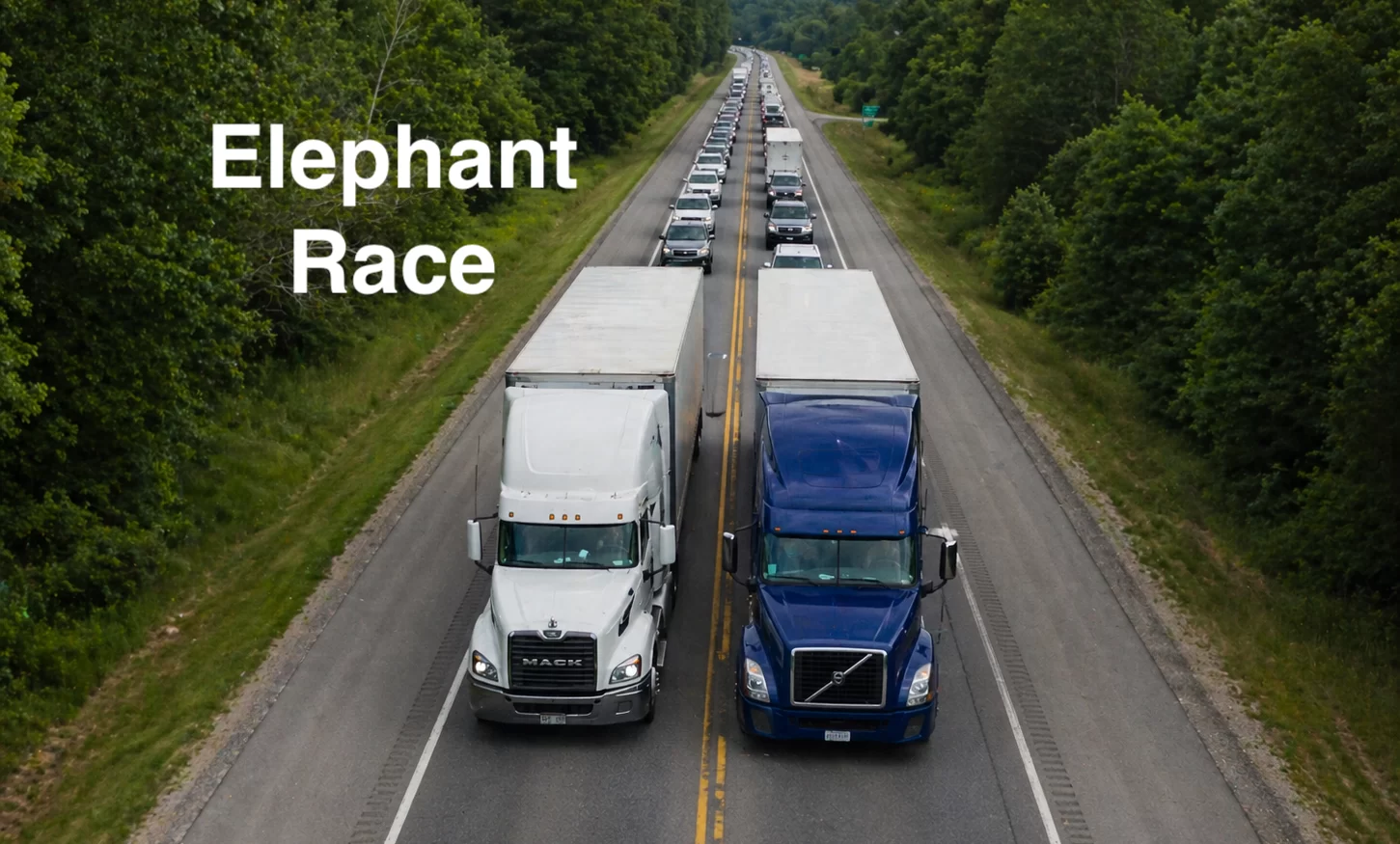
If you spend any time on highways, you’ve likely encountered a frustrating situation: two large semi-trucks traveling side by side, slowing traffic to a crawl. This phenomenon is commonly referred to as an “elephant race.” While it may seem like careless driving, the reality is more nuanced—and in some cases, potentially dangerous.
What Is an Elephant Race?
An elephant race occurs when one commercial truck attempts to pass another but lacks the speed to complete the maneuver quickly. As a result, both trucks occupy adjacent lanes for an extended period, often blocking traffic behind them.
Because semi-trucks are governed by mechanical and operational constraints, these slow-motion passing attempts are far more common than many drivers realize.
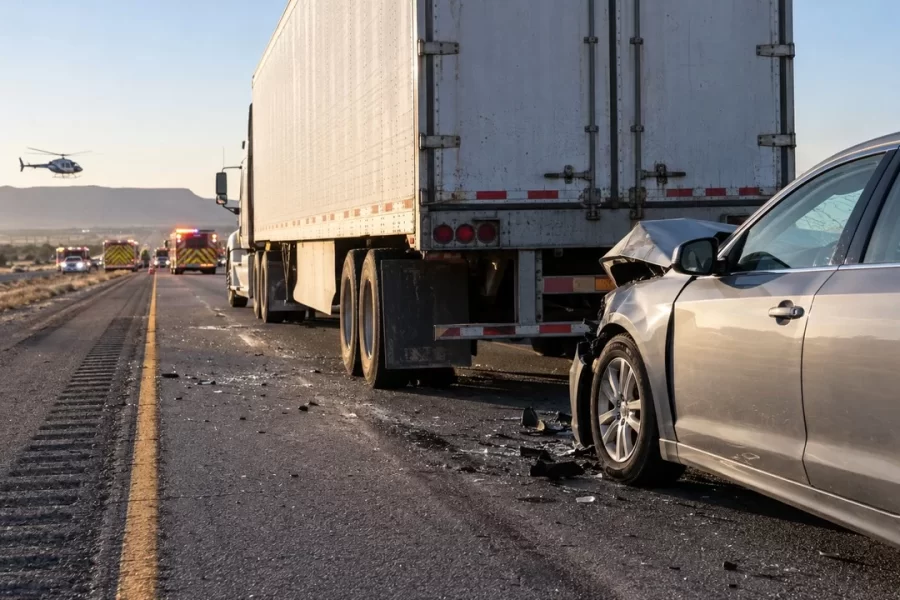
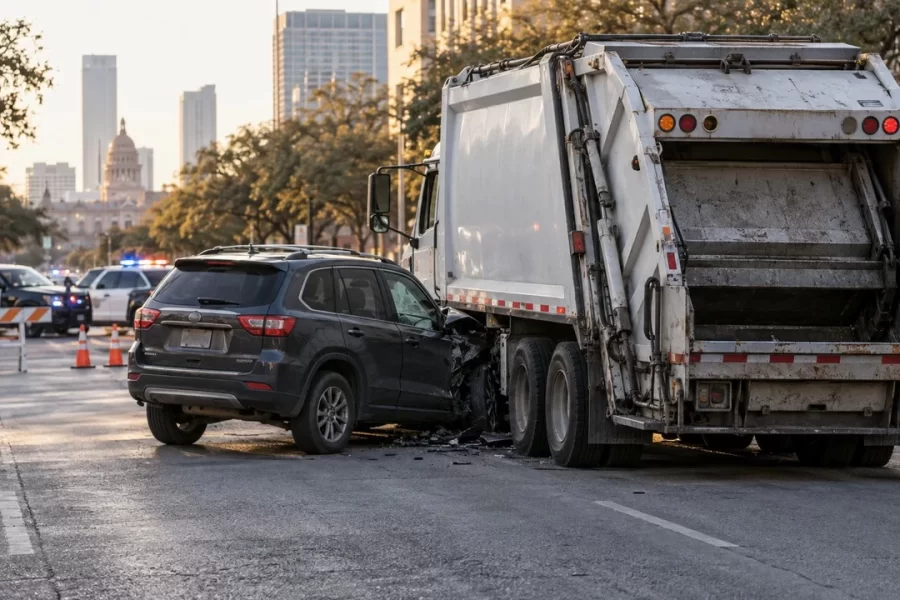
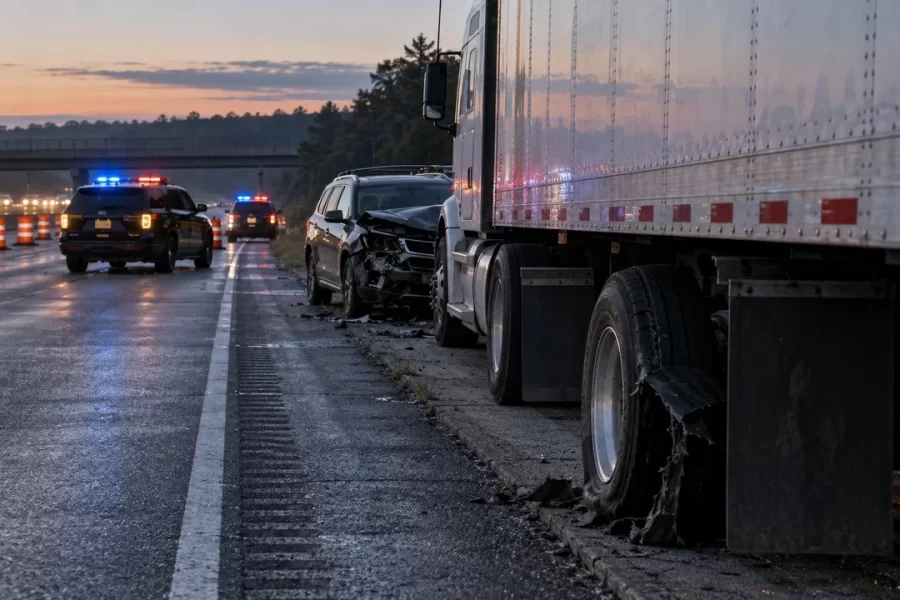
Occasionally other drivers will get frustrated and maneuver dangerously around the trucks, and create a dangerous driving environment. If this happens and you are injured in the resulting crash, find a truck accident law firm in your state to represent you and your family.
Why Do Elephant Races Happen?
1. Speed Limiters and Mechanical Differences
Most commercial trucks are equipped with speed governors that cap their maximum speed. However, these limits are not uniform across the industry. One truck might be restricted to 60 mph, while another is allowed to travel slightly faster.
Even a small speed difference—just a few miles per hour—can trigger an elephant race. The faster truck attempts to pass but does so very slowly, sometimes taking several minutes to complete the maneuver.
2. The Importance of Momentum
Unlike passenger vehicles, fully loaded tractor-trailers require significant time and fuel to regain speed after slowing down. Dropping speed by even a few miles per hour can cost a driver valuable time and efficiency.
Because of this, drivers often prefer to pass slower trucks rather than reduce speed—leading to prolonged side-by-side driving.
3. Road Conditions and Load Weight
Terrain also plays a role. On inclines, heavier trucks may lose speed more quickly than lighter ones. This creates temporary speed differences that prompt passing attempts, even when neither truck can significantly outperform the other.
Why Elephant Races Can Be Dangerous
Although they are usually legal, elephant races can create several safety concerns:
Limited Visibility and Blind Spots
Large trucks have significant blind spots, often referred to as “no-zones.” When two trucks travel side by side, these blind spots expand, making it harder for drivers to detect nearby vehicles.
Risky Merging Maneuvers
The passing truck must eventually merge back into the travel lane. If the driver misjudges the available space, the trailer can collide with the other truck or force nearby vehicles to brake suddenly.
Hazardous Behavior from Other Drivers
Passenger vehicle drivers often become impatient and attempt to weave between trucks or pass aggressively. This significantly increases the likelihood of a serious collision—especially when entering a truck’s blind spot.
Traffic Congestion and Chain-Reaction Risks
Because elephant races slow traffic across multiple lanes, they can lead to sudden braking and rear-end collisions further back in the traffic flow.
How to Stay Safe Around Elephant Races
When encountering two trucks traveling side by side, defensive driving is critical:
- Maintain distance: Give both trucks ample space to complete the pass safely;
- Avoid blind spots: Never linger alongside either truck;
- Be patient: Resist the urge to pass aggressively or squeeze between vehicles;
- Watch for merging: Anticipate when the passing truck will move back into the lane.
Allowing the trucks to complete the maneuver without interference is often the safest option.
The Bottom Line
Elephant races are not typically the result of reckless driving—they are often a byproduct of regulated speeds, heavy loads, and the physics of large commercial vehicles. However, they can still create hazardous conditions, particularly when other drivers react unpredictably.
Understanding why these situations occur can help you respond more safely—and reduce your risk of being involved in a serious truck accident.