

Wrongful Death in Commercial Truck Accidents
Why Fatal Truck Crashes Are So Devastating
The Reality Behind Commercial Carrier Wrongful Death Cases
Leading Factors Behind Fatal Commercial Carrier Crashes
What Commonly Causes Wrongful Death in Truck Accidents?
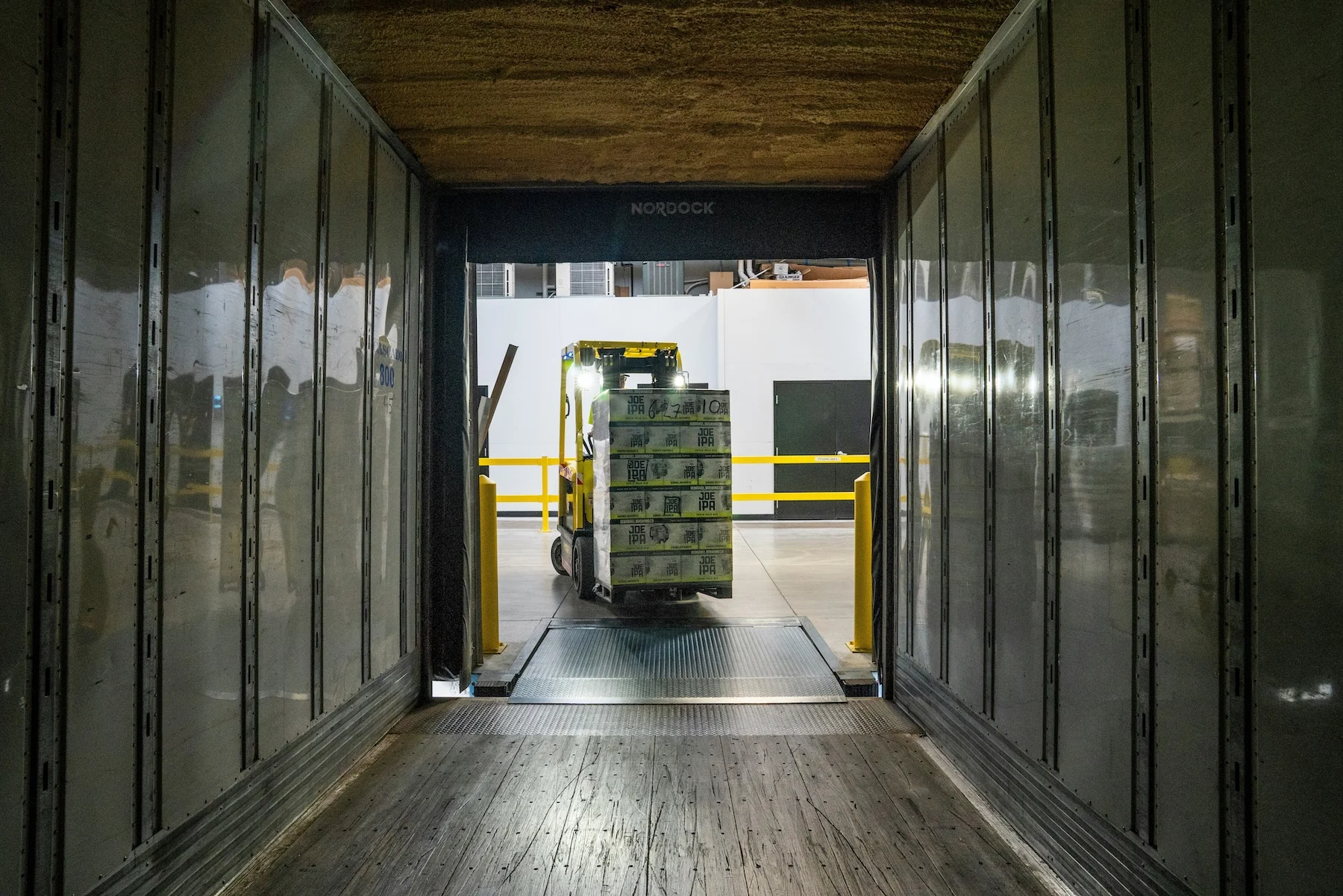
Cargo Loading Errors
Improperly loaded, unbalanced, or unsecured cargo can turn a commercial truck into a deadly hazard.
When cargo shifts unexpectedly, the trailer may sway, overturn, or spill materials onto the roadway—often leaving nearby drivers no time to react.
In fatal collisions, investigations frequently reveal overloaded weight, missing tie-downs, or failure to follow FMCSA cargo securement standards.
These preventable errors place not only the driver at risk, but everyone sharing the road.
Driver Negligence & Fatigue
Fatigue remains one of the leading contributors to fatal truck accidents. Drivers working long shifts or violating Hours-of-Service rules can experience slowed reaction times, impaired judgment, or even micro-sleep behind the wheel.
Negligence—including distraction, improper lane changes, and failure to maintain safe distance—can amplify crash severity.
When a fatigued or careless truck driver makes a mistake, smaller passenger vehicles bear the brunt of the impact.
Speeding & Reckless Operation
Speed dramatically increases the force of impact in truck collisions. Commercial carriers traveling too fast for conditions or exceeding posted limits often cause high-energy crashes that result in catastrophic injury or death.
Reckless driving—such as aggressive passing, tailgating, or ignoring traffic signals—removes the margin of safety needed to control a 70-foot vehicle.
In fatal cases, speed is one of the most common aggravating factors identified in investigations.
Weather & Environmental Hazards
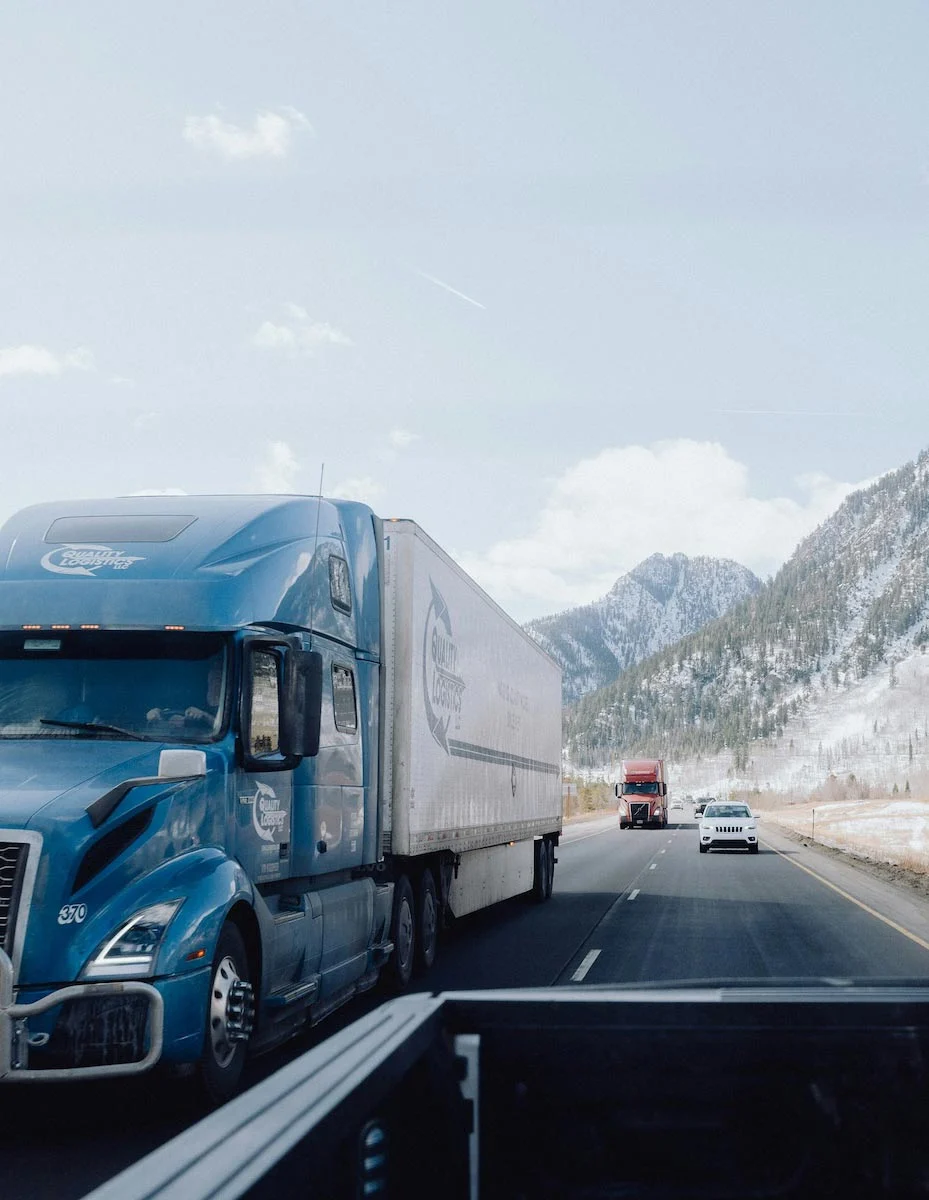
Rain, ice, fog, snow, and high winds make large trucks harder to control, increasing stopping distance and reducing visibility.
A truck that jackknifes or hydroplanes in poor conditions can instantly create multi-vehicle fatal crashes. While weather plays a role, drivers are still required by federal rules to slow down or stop entirely if conditions are unsafe.
Failure to adjust for weather often points to clear negligence.




Jackknife or Rollover Events
Jackknife and rollover crashes are among the deadliest types of truck accidents. When a trailer swings out of alignment or a truck overturns, it can sweep across entire lanes, crush nearby vehicles, or create massive chain-reaction collisions.
These events typically occur due to speeding, hard braking, cargo imbalance, or steering errors.
Fatalities are common, especially when passenger vehicles become trapped beneath or struck by the trailer.
Missing or Faulty Safety Equipment
Commercial trucks rely on essential safety systems—brakes, underride guards, reflectors, lights, and worn tires—to keep drivers around them safe.
When companies cut corners on maintenance or ignore repairs, even minor issues can escalate into deadly failures. A missing underride guard, for example, can allow a passenger car to slide underneath the truck in a fatal underride collision.
Equipment defects often signal broader negligence within the trucking company.
Hazardous Cargo Spills
When trucks transport chemicals, fuels, or flammable materials, a collision can quickly escalate into a fatal disaster.
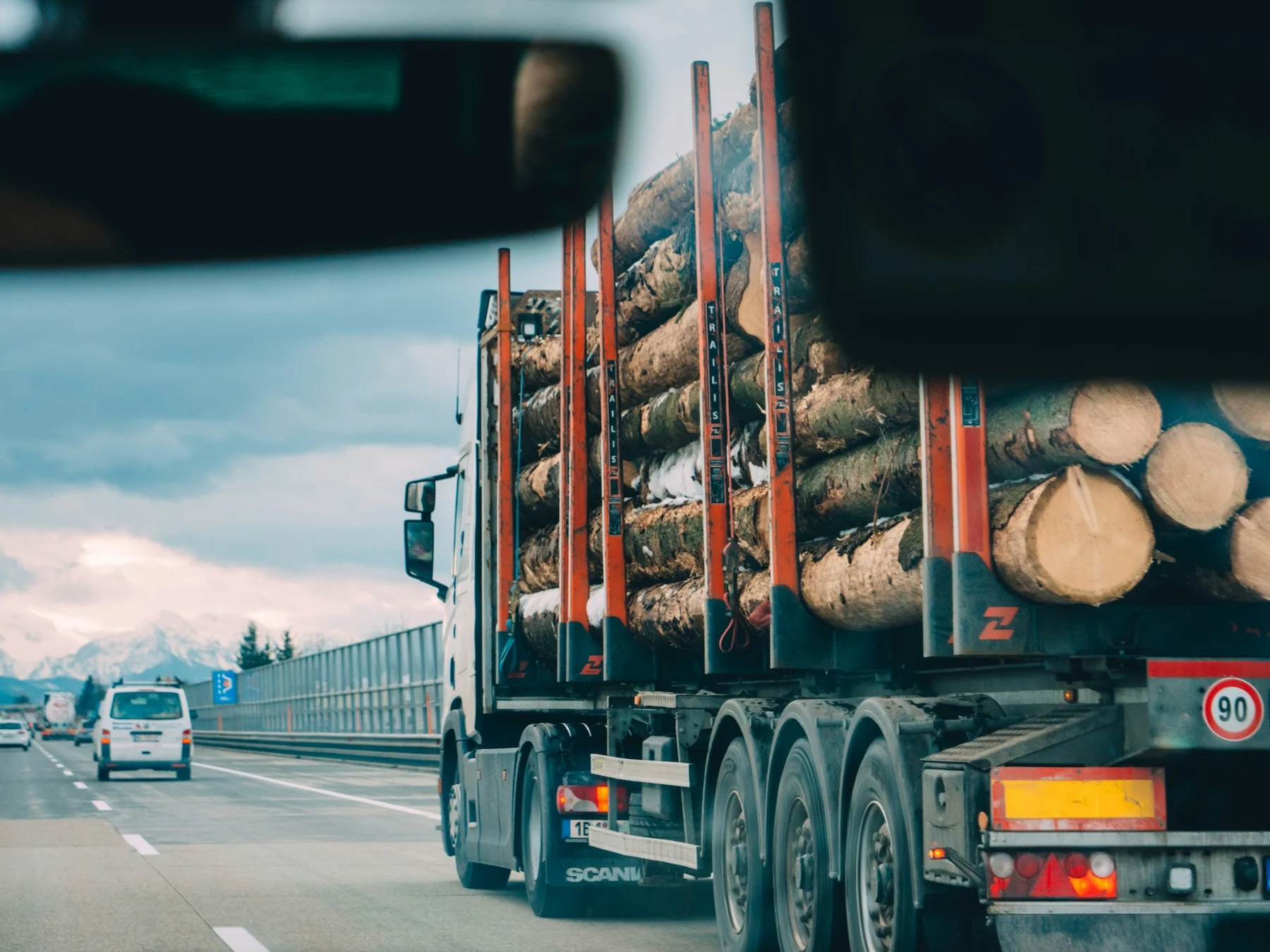
Toxic exposure, fires, and explosions are significant risks following a spill. Even non-hazardous loads—such as gravel, lumber, or produce—can cause deadly secondary crashes if they scatter across the roadway.
Hazardous material carriers are held to some of the strictest federal standards, and violations can dramatically increase liability.
Unsecured or Unqualified Drivers
Some fatal truck accidents occur because the trucking company placed an unsafe driver on the road.
This may include drivers with past violations, inadequate training, expired credentials, or no certification for certain cargo types. When a carrier fails to properly vet or supervise its drivers, the risk of fatal collisions rises sharply.
These cases often reveal systemic negligence within the company.
Why Fatalities Are So Common
Understanding the Impact of Commercial Carrier Fatalities
Force of
Impact
Passenger Vehicle
Vulnerability
Cargo & Hazardous
Materials
Chain-Reaction
Collisions
Who Can Be Held Legally Responsible?
Understanding Liability in Fatal Truck Accidents
Why These Cases Require Experienced Legal Help
What Makes Fatal Truck Accident Claims So Complex?
Federal & State Trucking Regulations
Fatal truck accidents are governed by layers of rules from the FMCSA and state transportation departments. These regulations determine driver rest hours, vehicle maintenance requirements, cargo limits, and safety protocols.
Violations—such as skipped inspections, over-hour driving, or improper documentation—can play a major role in proving fault, but uncovering these violations requires experience and knowledge of the industry.
Evidence Controlled by the Trucking Company
In commercial carrier crashes, critical evidence is often in the hands of the trucking company. This includes driver logs, onboard event data recorders (“black boxes”), maintenance records, GPS data, and dashcam footage.
Companies may act quickly after a fatal crash to limit exposure, making it essential that a wrongful death attorney intervenes early to preserve and secure all available evidence.
Cargo & Hazardous Materials
The type of cargo a truck carries can significantly complicate a wrongful death case. Overloaded trailers, unbalanced cargo, or shipments of hazardous materials can make crashes more violent and deadly.
Hazardous spills, fires, and explosions add layers of liability—raising questions about the trucking company, cargo loaders, and the companies that shipped the materials.
Multi-Party Liability
Unlike regular auto collisions, fatal truck crashes often involve several at-fault parties.
The driver, trucking company, cargo loading team, maintenance contractors, and even vehicle manufacturers may bear responsibility.
Sorting out the degree of fault among multiple defendants requires extensive investigation, expert testimony, and experienced legal strategy.

What Compensation Can Families Recover?
Wrongful Death Damages in Commercial Carrier Crashes
Pecuniary
Losses *
Compensation for lost income, household services, and long-term financial support the victim would have provided.
Medical & Funeral
Costs*
Covers medical treatment prior to death, funeral arrangements and other related costs borne by the family.
Loss of
Companionship
Non-Economic Damage
Addresses the emotional suffering, loss of guidance, parental care, love, and companionship resulting from the victim’s death.
Punitive
Damages
Case-Dependent
May be awarded when a trucking company or driver acted with gross negligence, recklessness, or willful disregard for safety.
Proven Results
Clients with Attorneys Recover 3.5× More Compensation
According to the Insurance Research Council, injury victims who hire an attorney receive 3.5 times more in settlements than those who go it alone. In fact, 85% of all insurance payouts for bodily injury claims go to clients represented by lawyers — showing how critical skilled legal help can be after a truck crash.
Higher Settlements
With Attorney Representation
Insurance Payouts
Go to Represented Clients


Get the Representation You Deserve
Connect with an elite truck accident attorney today.

